Women’s Reservation Amendment Returns to Centre Stage
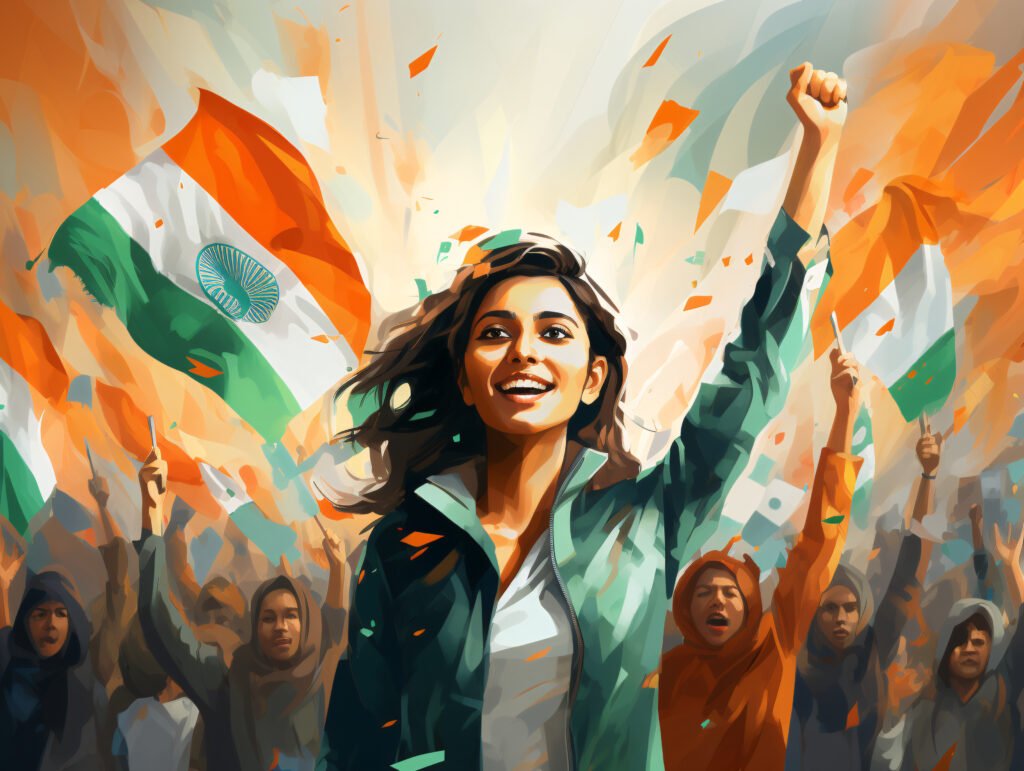
The government has revived its push around the Nari Shakti Vandan Adhiniyam amendment, positioning it as a historic opportunity to deepen women’s representation in legislatures. During the ongoing parliamentary debate, the Prime Minister urged all Members of Parliament to back the amendment, saying that the country should not miss this moment to correct a long-standing imbalance in political participation. Supporters of the move argue that higher female representation improves policy focus on health, education, and social welfare
Opposition parties have taken a more guarded stance, reiterating that they broadly support women’s reservation but raising questions about the sequencing with delimitation and census. Some leaders allege that linking the effective implementation of the law to future delimitation could delay the actual increase in women’s seats for several electoral cycles. They argue that without clear timelines and safeguards for marginalised groups, the political impact of the amendment could be diluted.
Civil society groups and constitutional scholars are calling for more transparency on the roadmap—particularly on how reserved seats will be identified and rotated, and how intersectional concerns around caste and regional representation will be addressed. As debate continues, there is broad political consensus on the importance of women’s representation, but disagreement on the mechanism and pace of implementation ensures that the issue remains at the centre of India’s political discourse.
The political context has shifted further after the government formally notified that the 106th Constitutional Amendment, linked to women’s reservation, has come into effect from April 16, 2026. Government communication has highlighted this as a turning point, stressing that women-led development has been a central theme of recent policy initiatives. Supporters say that codifying this change in the Constitution sends a powerful signal to parties, institutions and voters about gender equality in public life.pw+1
At the same time, Opposition leaders such as Priyanka Gandhi Vadra have sharpened their criticism, arguing in parliamentary interventions that the amendment leaves several key questions unanswered. They have asked why 33 percent reservation cannot be immediately implemented in the present 543 seats of the Lok Sabha and existing assembly constituencies, instead of waiting for a fresh delimitation exercise. They also insist that any roadmap must be accompanied by updated caste census data to ensure that women from OBC, SC and ST communities get equitable representation within the broader quota.economictimes
Outside Parliament, women’s organisations are using the renewed spotlight to push for parallel reforms such as stronger rules on political party candidate selection, capacity-building programmes for aspiring women leaders and mechanisms to curb online and offline harassment of elected representatives. They argue that reservation alone cannot guarantee meaningful participation unless party structures change to give women real influence over decision-making and resource allocation. How parties respond to these demands—both in legislation and in ticket distribution—will be closely tracked in upcoming elections, including municipal and panchayat polls.