Opposition Targets Centre Over Economic Growth and Inflation Risks
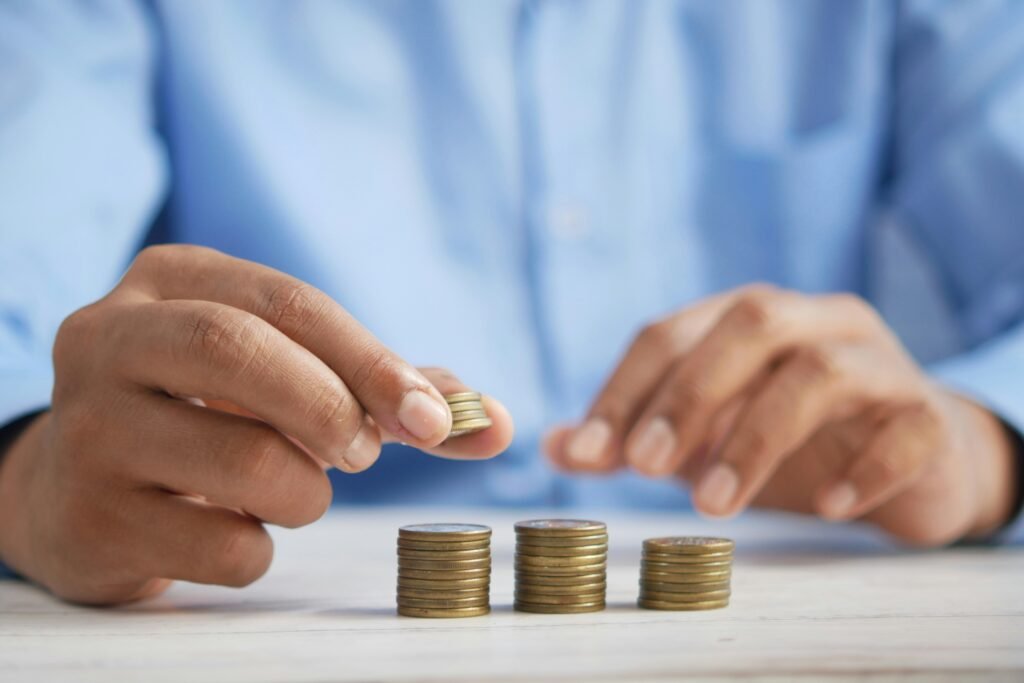
Macroeconomic debates have sharpened after Moody’s Ratings cut India’s growth estimate for an upcoming fiscal year to 6 percent, citing risks from conflict in West Asia and associated inflationary pressures. Opposition parties argue that the downgrade underlines concerns they have repeatedly raised about uneven recovery, stress on small businesses, and the impact of imported inflation on food and fuel prices. The government maintains that India remains among the world’s fastest-growing major economies and points to robust tax collections and infrastructure spending.
According to Moody’s, the combination of higher energy prices and global uncertainty could weigh on domestic consumption and investment, even as India benefits from some diversification of supply chains. Economists within India are divided: some emphasise the need for targeted fiscal support and social protection, while others warn against widening deficits and potential rating pressure. Political parties are using the data to reinforce contrasting narratives about the sustainability and inclusiveness of the current growth model.
As the debate spills into Parliament and the campaign trail, voters are hearing competing claims about job creation, rural distress, and the trajectory of inflation. Analysts indicate that while headline growth numbers remain important, lived experience of prices and employment will strongly influence political perceptions in the run-up to multiple state elections and future national contests. The framing of economic policy achievements and shortcomings is therefore becoming a central plank of political messaging across parties.
Macroeconomic debates have sharpened after Moody’s Ratings cut India’s growth estimate for an upcoming fiscal year to 6 percent, citing risks from conflict in West Asia and associated inflationary pressures. Opposition parties argue that the downgrade underlines concerns they have repeatedly raised about uneven recovery, stress on small businesses, and the impact of imported inflation on food and fuel prices. The government maintains that India remains among the world’s fastest-growing major economies and points to robust tax collections and infrastructure spending.thehindu
According to Moody’s, the combination of higher energy prices and global uncertainty could weigh on domestic consumption and investment, even as India benefits from some diversification of supply chains. Economists within India are divided: some emphasise the need for targeted fiscal support and social protection, while others warn against widening deficits and potential rating pressure. Political parties are using the data to reinforce contrasting narratives about the sustainability and inclusiveness of the current growth model.
As the debate spills into Parliament and the campaign trail, voters are hearing competing claims about job creation, rural distress, and the trajectory of inflation. Analysts indicate that while headline growth numbers remain important, lived experience of prices and employment will strongly influence political perceptions in the run-up to multiple state elections and future national contests. The framing of economic policy achievements and shortcomings is therefore becoming a central plank of political messaging across parties.